Jig fishing and areas of use
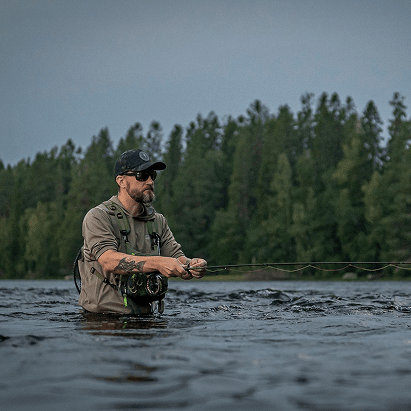
Jig fishing is one of the most widely used and effective fishing methods, especially for perch. It provides good control over the bait and makes it easy to adjust the fishing to depth, pace and activity. At the same time, jig fishing works for almost all predatory fish and is also used successfully for species such as bream, perch and even larger id.
That is why jig hooks are something that should be included on every fishing trip. By varying the weight and hook size, you can fish both shallow and deep, slowly or more actively, without changing the method completely. Jigging fishing is flexible and can be adapted to the conditions on site.
The importance of weight in jig fishing
The weight of the jig hook controls how quickly the jig sinks and how clear the contact is with the bottom. With a long jig head, you can fish slowly and keep the bait working for a long time in the same area. It is often effective when the fish is cautious or standing still.
Heavier jig hooks are used when fishing deeper, in currents or when it is windy. This gives you faster bottom contact and better control, but the bait has a shorter fall time. The choice of weight therefore affects both tempo and presentation.
Adjust the jig hook to the bait
The size of the jig hook needs to match the length and shape of the jig. A hook that is too small can result in poor hooking, while a hook that is too large can cause the bait to move stiffly. The hook should be positioned properly in the body of the jig so that the bait can work freely and naturally.
In practice, it is often better to adjust the jig hook than to change the jig. Small changes in weight or hook size can make a big difference in how the bait is perceived by the fish.
Jig head size guide
Below is a general guideline for matching the size of the jig hook to the length of the jig. The shape and thickness of the body also play a role. role, but the table provides a good starting point.
Size guide| Length of the jig | Recommended jig hook |
|---|
| 3-5 cm | 1/0 - 2/0 |
| 6-7 cm | 2/0 - 3/0 |
| 8-10 cm | 4/0 - 5/0 |
| 11 cm | 5/0 - 6/0 |
| 12-14 cm | 6/0 - 8/0 |
| 15-17 cm | 8/0 |
| 18-24 cm | 8/0 - 10/0 |
| 25-30 cm | 10/0 - 12/0 |
Adapting to the conditions
Depth, wind and current affect which jig hook works best. In shallow water, a lighter weight is often enough, while deeper water requires a heavier head to maintain contact. Having several jig hooks in different weights makes it easy to adapt your fishing without changing baits.
To think about when choosing a jig hook
- A short jig hook gives a slower and smoother movement
- A heavier jig hook gives faster bottom contact
- The hook size should match the length of the jig
- Jig fishing works for many different predatory fish
- Small adjustments can make a clear difference in results

 Member of EU
 0
0