Fast shipping from Sweden Member of EU
 0
0



Top brands



































Salmon flies are designed for fishing for salmon in flowing water and are adapted to be visible, move and trigger bites in the varying conditions of the river. They differ from many other fishing flies through their construction, length and choice of material. Color, silhouette and movement are central parts of how a salmon fly is perceived in the water.
The range includes salmon flies from well-known brands such as Frödin, with both classic patterns and modern variants. There are flies for high tide, low tide, night fishing and surface fishing. The choice of model is influenced by water level, light conditions and how quickly the fly should move through the current.


Salmon flies come in several designs depending on how they are to be fished and presented in the river.
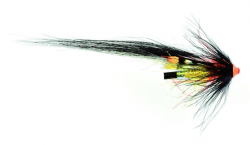
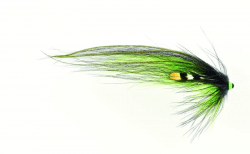
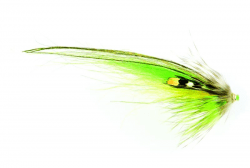
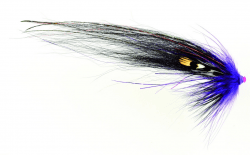
Tube flies are a common type of salmon fly. The body is built on a plastic or metal tube instead of directly on the hook. This means that the hook can be changed separately and that the fly often lasts longer. Tube flies come in a variety of lengths and strengths, from larger models for high water to smaller ones for shallow water.
Hitch flies are designed to be fished shallowly and create a clear movement on the surface. They are often used during warmer periods when salmon react to flies that cut through the surface. The technique differs from traditional sinking fishing and places demands on both presentation and positioning.
Among salmon flies there are both traditional patterns and modern interpretations. Classic color combinations such as black, silver, green and blue are common, but there are also stronger colors for murky water or low visibility. Modern series often combine synthetic materials with traditional shapes to create more movement.
Water level and light affect which salmon fly works best. In high water, larger and more visible flies are often used. In shallower and clearer water, smaller and more discreet models are common.
Color can also play a role depending on light and bottom conditions. Darker flies are more visible in lighter water, while lighter or more contrasting colors can work better in darker or murky conditions.
The length of the salmon fly affects the silhouette in the water. Shorter models can be effective when the fish are cautious, while longer flies give a larger profile and more movement.
How the fly is presented through the current is at least as important as the choice of pattern. The right combination of lump, paw and fly makes the movement natural and controlled throughout the entire operation.
Salmon flies are a central part of salmon fishing in the river. By adapting the model, size and color to the conditions, the possibility of getting the fly to move properly through the current increases.
|
|
|
|