Fast shipping from Sweden Member of EU
 0
0


Top brands




































Finding the right sleeping bag can make all the difference between a good night's sleep and a frozen nightmare. Whether you're out in the middle of winter or sleeping under the stars in the summer, you need a sleeping bag that actually does the job. In this guide, we list the best sleeping bags in tests - models that we at Tacticalstore are happy to recommend.
We've included both winter sleeping bags for really cold nights and summer sleeping bags that are light, airy and easy to carry. It's not just about temperature limits - but also about weight, packing volume, material choice and smart details that make a difference when you're out. There's something for everyone here, whether you sleep in a mountain cabin, tent or wind shelter.
We have selected six sleeping bags that stand out in both quality and function. The focus is on models that can withstand use - not just once in a while, but night after night, whether in the forest, on the mountain or under the open sky. There are both winter sleeping bags and summer sleeping bags here, so you can find the right one regardless of the season.
The manufacturers we have selected - Carinthia, Snugpak and Mil-Tec - are names that often appear in contexts where equipment has to work. Several of the bags have a field-like and military-inspired design, which is noticeable in both the choice of colors, materials and functions. It's not about fluff - it's about staying warm, sleeping comfortably and being able to rely on your stuff when needed.
The Carinthia Survival Down 1000 is the best winter sleeping bag - built to perform in truly extreme conditions. It is designed for military users, expeditions and cold winter conditions where warmth, function and durability must not be compromised. The proven H-chamber construction and elastic baffles keep the down in place and eliminate cold spots, even at the elbows and knees.
The front zipper can be opened at both the top and bottom - practical for ventilation or if you want to go outside without opening the whole bag. You can also step into your boots, pull your feet out and use the bag as a warming coat. The hood is pre-shaped and can be laced up to create a small breathing hole. Both a compression bag and a larger cotton storage bag are included.
Advantages:

The Snugpak Special Forces Complete System is a flexible sleeping bag system that can handle everything from mild nights to extreme cold. It consists of two separate sleeping bags - Special Forces 1 and Special Forces 2 - that can be used individually or combined using an extra zipper baffle. When connected together, the system can withstand temperatures down to -20°C, without losing warmth or function.
Both bags have a reinforced foot section so you can sleep with your boots on if necessary. They come with separate stuff sacks and take up little space in your pack with a compressed size of 30x27cm. You get a really robust system made in the UK, with a water-repellent surface, smart material choices and good sleeping comfort even on longer trips.
Advantages:
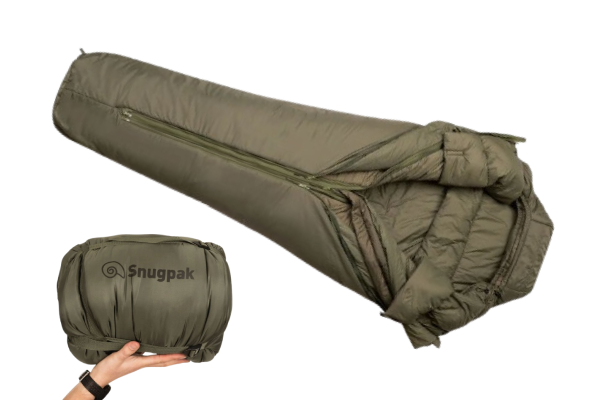
The Snugpak Sleeper Expedition is the warmest sleeping bag in the Sleeper series and an excellent choice for those who want something that can handle really cold nights. With a comfort temperature of -12°C and an extreme limit of -17°C, it is suitable for four-season use - perfect for those who camp in late autumn, early spring or in winter environments.
The filling consists of siliconized Softtouch fibers that create an insulating barrier around the body, while the sleeping bag is soft and supple. The mummy shape helps to preserve body heat effectively, and despite its thermal capacity, it packs down to a convenient size of 33 x 28cm.
Advantages:
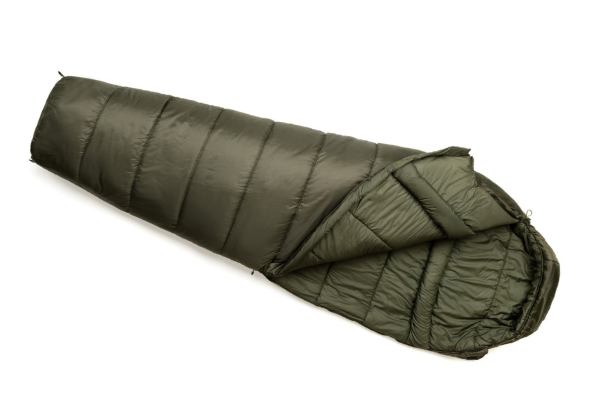
The Snugpak Sleeper Extreme is a great value sleeping bag for those who want good warmth and durability without breaking the bank. It's a big step up from the lighter Sleeper Lite and is perfect for spring and autumn nights when temperatures start to drop below zero. With a comfort temperature of -7°C and an extreme limit of -12°C, it keeps you warm in damp or cold weather - without feeling bulky.
The filling consists of highly siliconized synthetic fibers that give a soft feel while maintaining their shape over time. The sleeping bag is shaped like a mummy to minimize heat loss and comes with a compression sack so it takes up little space in your pack - just 23x23cm.
Advantages:
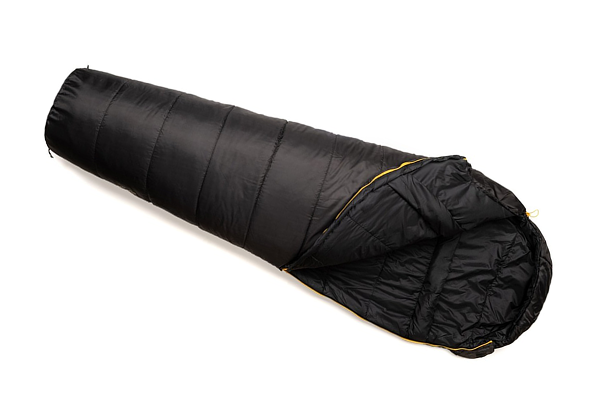
The Snugpak Sleeper Lite is a durable and lightweight sleeping bag that is perfect for spring and summer use. It is made to provide a lot of warmth in relation to its weight and pack size, making it a really good option for camping and outdoor activities when it is not the middle of winter - but you still want to be able to sleep warm.
The filling consists of highly siliconized synthetic fibers, which gives better longevity and a softer feel than traditional materials. The sleeping bag is mummy-shaped to retain body heat as effectively as possible and comes with a compression sack for easy packing.
Advantages:
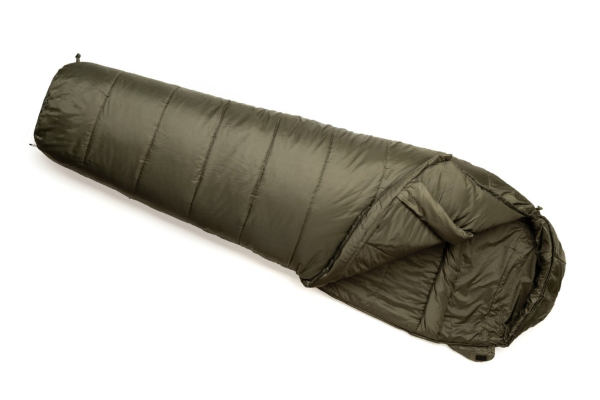
Mil-Tec Summer is a simple and lightweight summer sleeping bag that works perfectly on warm nights - whether you sleep in a tent, wind shelter or just under the open sky. It is also a good complement if you want to increase the insulation in another sleeping bag during colder months.
Thanks to its low weight and convenient pack size, it is easy to take with you, and the choice of materials makes it both durable and comfortable to sleep in. The fit is roomy and the temperature limit is +15°C, which makes it work best in warm temperatures.
Advantages:
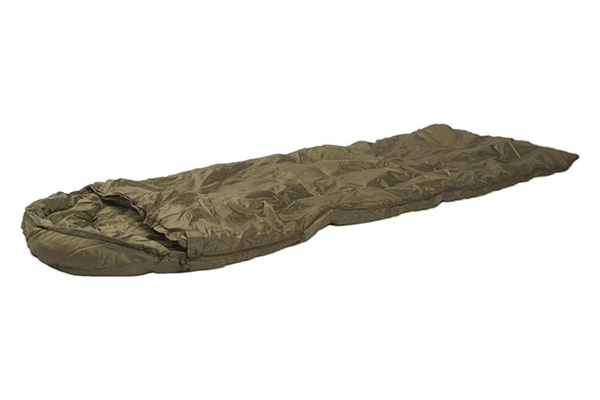
Finding a really good sleeping bag is not just about staying warm - it's about choosing the right model for your needs. In our guide with the best sleeping bags in the test, we have highlighted options for different seasons and situations, but what should you consider before choosing?
First of all: when and where will you use the sleeping bag? It matters a lot. If you are mostly outdoors during the summer, a lighter summer sleeping bag can go a long way, while winter requires significantly more insulation. And if you are going to be prepared in an emergency box or in the car, then it is important to choose something that works regardless of the weather.
A summer sleeping bag often has a comfort temperature of around +10 to +15°C. It weighs little, takes up little space in your pack and dries quickly if it gets damp. It works great for camping in Sweden between June and August, and is also handy to have as an extra insulation layer in another sleeping bag when the temperature drops.
If you want an alternative that works both in the summer and can be used as a liner in a winter sleeping bag, then a simple synthetic model is just right. It is moisture resistant, easy to care for and keeps you warm even if it gets wet.
When it comes to winter sleeping bags, insulation is key. The temperature can quickly drop below zero, especially if you're camping in the mountains, sleeping in a car or finding yourself in an unexpected emergency. Choose a sleeping bag with a low comfort temperature (preferably below -10°C) and make sure that both the filling and material are made to keep you warm.
Down sleeping bags are warm and compact, but sensitive to moisture. Synthetic filling is heavier but can withstand moisture and is easier to dry. If you want a winter sleeping bag that really does the job - even in sub-zero temperatures - choose a model with good insulation on both the bottom and top, as well as a hood and zipper protection.
All sleeping bags have a temperature rating. "Comfort" is the temperature at which an average user can sleep comfortably. "Extreme" is the lowest temperature at which you can survive - but far from sleeping well. Always aim for the comfort temperature as a starting point. If you're freezing to death, choose a bag with a little extra margin.
Most outdoor sleeping bags are mummy-shaped. This minimizes the air space in the sleeping bag and helps you retain heat better. Straight, rectangular sleeping bags are more comfortable for many, but do not insulate as effectively. Also keep in mind that a sleeping bag that is too big can feel cold - the body has to warm up more air.
Are you planning to carry your equipment long distances? Then weight and volume are crucial. A light summer sleeping bag often weighs around 1kg, while a heavy winter sleeping bag can weigh over 2.5kg. Check the pack dimensions and think about what will work in your particular backpack, or whether it will be ready in the car.
The sleeping bag's job is to insulate you from the air around you - but the underside is flattened by your body weight. That's why a good sleeping pad is at least as important as the sleeping bag itself, especially when you sleep directly on the ground. Feel free to read our guide to the best sleeping pads in the test for tips on models that match your sleeping bag.
With the right sleeping bag, you sleep safely, whether you're out hiking, building a base camp or just want to be prepared.
|
|
|
|