Fast shipping from Sweden Member of EU
 0
0




Top brands




































In a world of uncertainty and potential disaster, prepping is a strategy that aims to prepare for unexpected situations by securing the necessary resources and skills. By anticipating potential threats and planning for them, preppers can minimize risk and increase their chances of survival and well-being.
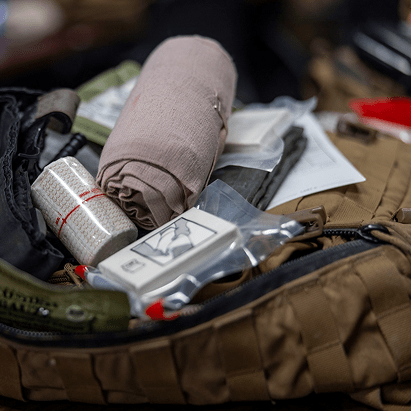
An emergency bag, also known as BOB (Bug-Out Bag), Grab bag or GO bag, is a critical part of emergency planning for many people around the world. This bag is carefully designed to contain essential supplies and equipment for survival and safety in the event of an emergency or evacuation. Typically, the first aid kit includes water bottles, canned food, a flashlight, a radio, blankets, and some personal items. What sets an emergency bag apart from other bags is its flexibility and portability, which makes it easy to carry and quickly take with you in the event of an evacuation or escape. It is designed to provide safety and security in situations where every second counts.
Prepping and emergency preparedness are equipment and preparation methods aimed at dealing with and surviving various types of emergencies and crises that may occur, such as natural disasters, power outages and societal crises. A prepper is a person who actively prepares by acquiring skills, knowledge and resources that can be critical to survival and safety in the event of a crisis. By focusing on creating a plan to meet basic needs such as food, water, shelter and communication during times of chaos and uncertainty, preppers strive to minimize the risk and consequences of various emergencies.
In Sweden, prepping is a lifestyle that is often brought to life by the fluctuating nature and the varying climate. From deep winter blizzards to summer floods and even the possible threat of tropical storms and hurricanes, there are a range of potential disasters that residents must be prepared for. This awareness of the unpredictable weather and its potential consequences has driven many Swedes to embrace prepping as a way to ensure their and their families' safety and well-being.
Snowstorms are a recurring challenge in Sweden, especially in the northern parts of the country where the winter is severe. These storms can lead to isolation, power outages and disruptions to the transport network. To deal with such situations, many preppers prepare with supplies such as food, water, heat and light to cope with possible long periods of power outages and severe weather conditions.
During the summer months, flooding can be a serious threat, especially in coastal areas and along river banks. Heavy rainfall can quickly raise water levels and cause flooding that can damage property and threaten people's safety. Preppers in these areas focus on having essential supplies and also on protecting their homes with sandbags and other protective measures.
Although Sweden is not known to be in the tropical storm's path, climate change could increase the risk of extreme weather, including potential threats from hurricanes or strong storms reaching the country. To be prepared for such events, preppers can invest in sturdy structures, storm shelters and supplies that can keep them safe in extreme weather conditions.
Another situation that is becoming increasingly common in Sweden is forest fires. If you live in a secluded cabin, forest fires in nature can be a crisis situation that you have to take seriously.
To support and guide the citizens in their crisis preparedness measures, the Swedish Agency for Social Security and Preparedness (MSB) plays an important role. MSB provides guidelines, resources and training to help people prepare for various types of disasters and emergencies. Their expertise and guidance is invaluable to preppers striving to ensure their survival and well-being in Sweden.

Preparing with necessary supplies is of great importance to be mentally prepared to cope with and survive emergency situations. Practicing mental preparation and creating a sense of emotional stability can be critical to maintaining composure and making rational decisions during stressful situations. Therefore, it is not only material resources that are important, but also the mental attitude and preparation for possible crises that can make the difference between survival and chaos. Having a well-organized and up-to-date prepping list is part of this preparation and can be the deciding factor in doing well during a crisis instead of being unprepared.
Being prepared for different types of emergencies can be the difference between doing well and ending up in a chaotic situation. By being proactive and having a well-thought-out emergency plan, you can minimize the stress and uncertainty that comes with an emergency and increase the chances of survival and well-being.
When taking the first steps in prepping, it is important to focus on six main areas according to MSB: food, water, warmth, protection, hygiene and information. Deficiencies in these areas can greatly reduce the chances of survival or at least comfort during a crisis.
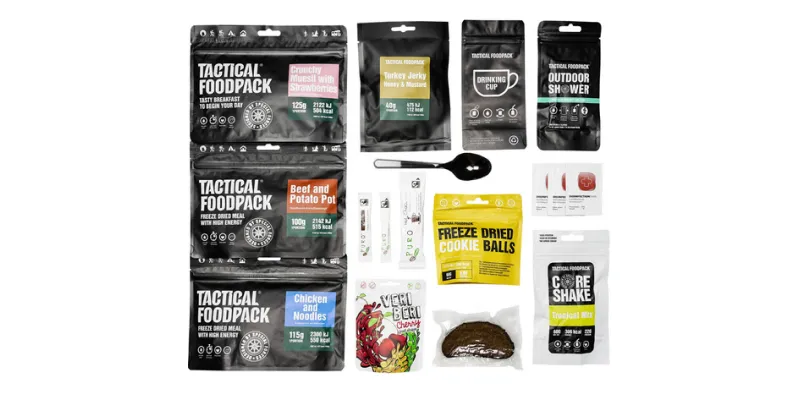
Food, or emergency food, is one of the most critical factors to consider when preparing for a crisis. Having enough nutritious food on hand can help preserve health and energy when food availability becomes limited. It is important to consider both the type of food being stored and how it is stored to keep it edible in the long term.
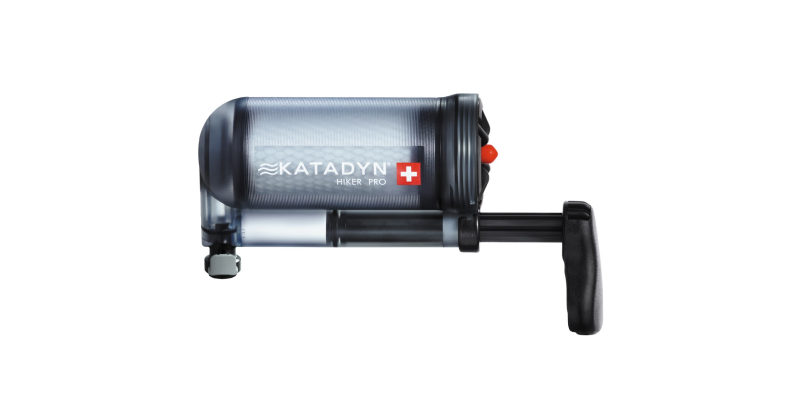
Water is vital and ensuring an adequate supply is crucial. Having a plan to store, purify and secure water reserves is necessary to meet basic needs and avoid dehydration during a crisis.
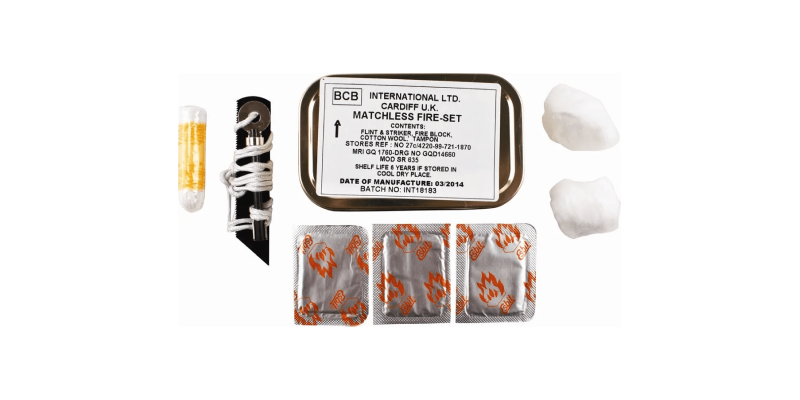
Keeping warm is essential to avoid hypothermia and maintain health and well-being. Preparations for dealing with cold may include having access to heat energy, insulation and clothing that protects against the elements.
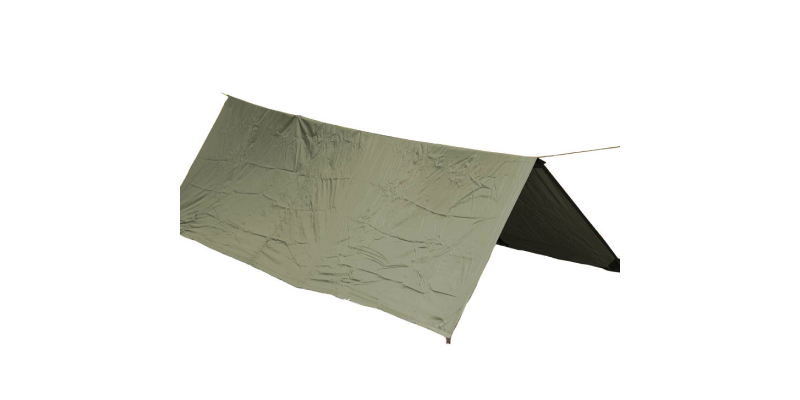
Having a place that is safe and protected from external threats is critical to surviving a crisis. Preparation for shelter may include strengthening existing structures, creating protective barriers and having a plan for evacuation if necessary. If you are forced to live outdoors, equipment is required for that.
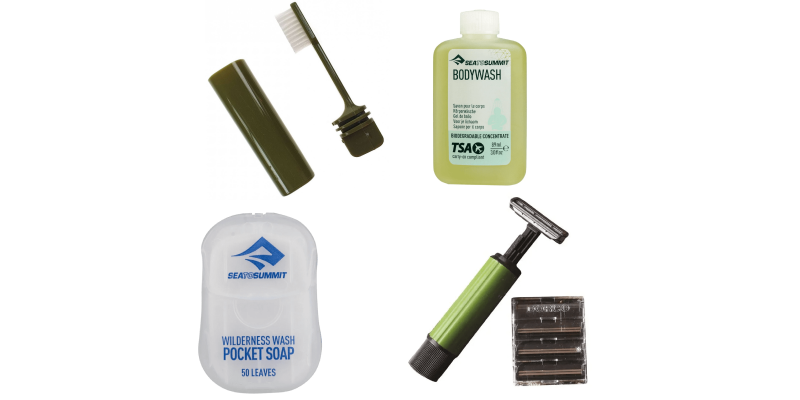
Maintaining good hygiene is important to prevent disease and infection, especially during times of stress and limited resources. Preparation for hygiene may include securing access to water for washing and cleaning, as well as having supplies for personal hygiene.
Being well informed and having a clear plan is essential to making informed decisions and managing a crisis effectively. It includes having a communication plan with the family, being aware of risks and vulnerabilities, and having the knowledge and skills to deal with different scenarios.
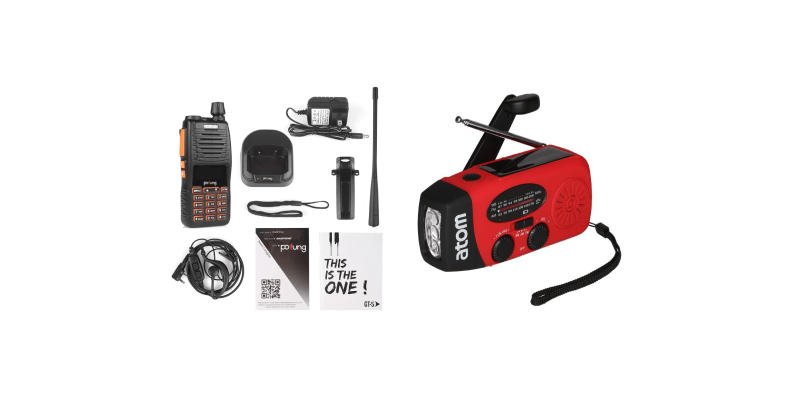
In order to create an effective prepping list, it is crucial to not only think about the basic necessities like water and food, but also include other important resources. For example, it can be useful to have a hand-cranked radio to stay informed about news and safety messages during an emergency. Also including an extra set of clothes and a sleeping bag can be of great benefit if you need to evacuate or stay outdoors for an extended period of time.
In addition to having a list of necessary supplies, it is also wise to include a plan for communication and reunification should the family be separated during a crisis. Having a designated meeting place and a contact number for a relative outside the affected area can facilitate reunification and provide reassurance to all involved. By involving the whole family in creating and understanding this plan, you can ensure that everyone is aware of what to do and where to turn if needed.
Another important aspect to include in the prepping list is a copy of important documents such as insurance papers, ID documents and medical records. Having access to these documents can facilitate any evacuations or the need for medical care during a crisis. By having a complete and updated prepping list, you can increase the chances of survival and security for yourself and your family in unexpected situations.
Having a prepping list that is tailored to your individual needs and circumstances is critical to ensuring effective preparedness. For example, if you have pets, it's important to include their needs in your list by having extra food, water, and any medications available for them during a crisis. By tailoring your prepping plan to specific situations and circumstances, you can increase the chances of successful survival and recovery after an emergency.
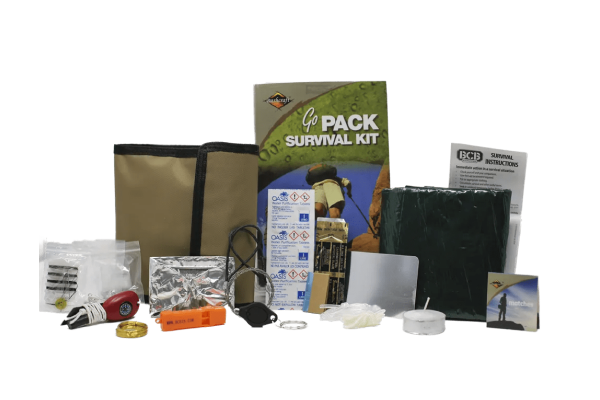
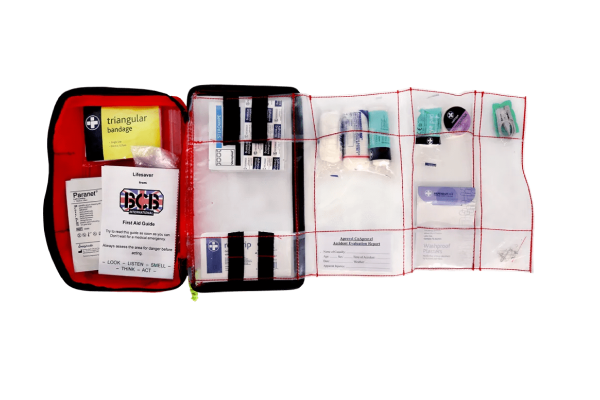
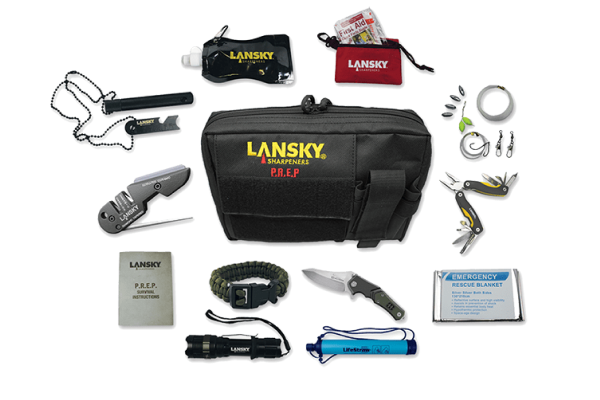
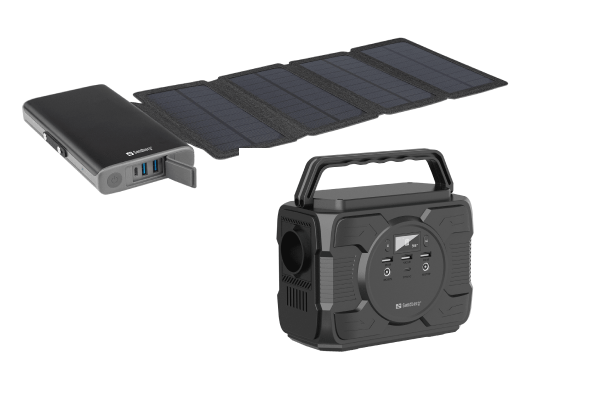
We have created ready-made emergency boxes adapted to different needs, containing carefully selected necessities to ensure survival and comfort during a crisis. With everything from food and water to first aid and heating equipment, our emergency boxes are put together to meet different situations and needs. By having a complete emergency kit ready for use, you can feel safer and more prepared for unexpected events.
|
|
|
|